Wuhan: Three Cities, Three Parts

The tripartite river city of Wuhan was supposed to be the last stop on my Spring Festival trip, a relaxing coda to the frantic public transport hopping of the middle two quarters. Until the airport blunder, it worked out, too.

Wuhan, or rather the fomerly three cities — Wuchang, Hankou, and Hanyang — that now make up the single city, lays claim to some of the oldest heritage in all of China, stretching back much further than Beijing. Sadly, most of the visible history was destroyed by American firebombing during World War 2, after Japan took control of the city. These days due to its central location at the intersection of the Yangtze and Han rivers, Wuhan is known mostly as the hub for most of China’s transnational transportation spokes, and I get the feeling that many people stop in Wuhan but few really visit it.

That’s a shame because at least for a couple of days, Wuhan has a lot to offer both culturally and historically.

With a population exceeding 10 million, Wuhan is one of the more cosmopolitan cities in all of China. It has a reputation as being one of the hottest and most humid summertime cities, but for our three days in Hubei, it was pleasantly chilly with spats of rain. Much cleaner than most cities we’ve visited, the planners also have made a point of carving out green space and bike paths that make for pleasant wanderings around town.

(It could be that my observations here are colored rose by the six-hour bus ride to Wuhan that featured the used diaper leaking urine all over the flemmy-spit-covered floor upon which screaming children ran up and down, contributing their sweat to the already nigh-unbearable breath-and-rain-induced humidity and bouncing along with the bus over construction-torn roads. But I think Wuhan was genuinely pleasant, not just relatively so…)

And insofar as history goes, it may be the most important city in modern history. Wuhan is where imperial China died.

The Revolution Will Be Telegraphed 

On October 9, 1911, a bomb exploded and launched a revolution. The bomb exploded in Wuhan’s Russian concession where followers of career agitator, aspiring revolutionary, Dr. Sun Yat-Sen were making munitions in preparation for an anti-Qing Dynasty revolt, spurred by resentment over the Qing administration’s decision to nationalize privately paid-for railway lines meant help industrialize the Chinese economy. The premature explosion alerted local Qing Dynasty authorities to a revolutionary plot to overthrow their rule in Hubei province. Scrambling to keep their revolution from unraveling, the anti-imperialists opened fire in Wuhan’s streets on the night of October 10 and stormed the Qing Dynasty’s government offices in downtown Wuhan. By the next morning, the entire city was under revolutionary control. The leaders declared the end of Qing rule in Hubei Province, declared establishment of the Hubei military government, and declared the foundation of the Republic of China. They called for the rest of China to join the revolution. Over the next two months, 14 other provinces did so as China’s last dynasty crumbled.

In a tie to my home, Dr. Sun was in Denver, Colorado, throughout the revolution as part of a fundraising trip through America’s overseas Chinese communities. Representatives from the newly independent provinces together officially founded the Republic of China on January 1, 2012., electing Sun, who also founded the Kuomingtang political party that’s a major party in Taiwan to this day, it’s provisional president. Wuhan remained important through the mid 20th century as the wartime capital of the KMT during WW2, then as a major Japanese operations center following the Battle of Wuhan.

Today a red-brick museum flanked by the black-star, red-background flag of the Wuhan military government details Wuhan’s revolutionary role in what’s now called the Wuchang Uprising and Xinhai Revolution and the end of imperial China. The building had a short-lived stint as a Qing government building before it became the headquarters of the Wuhan military government after the revolution. It was here, too, that Sun Yat-Sen declared the Republic of China.
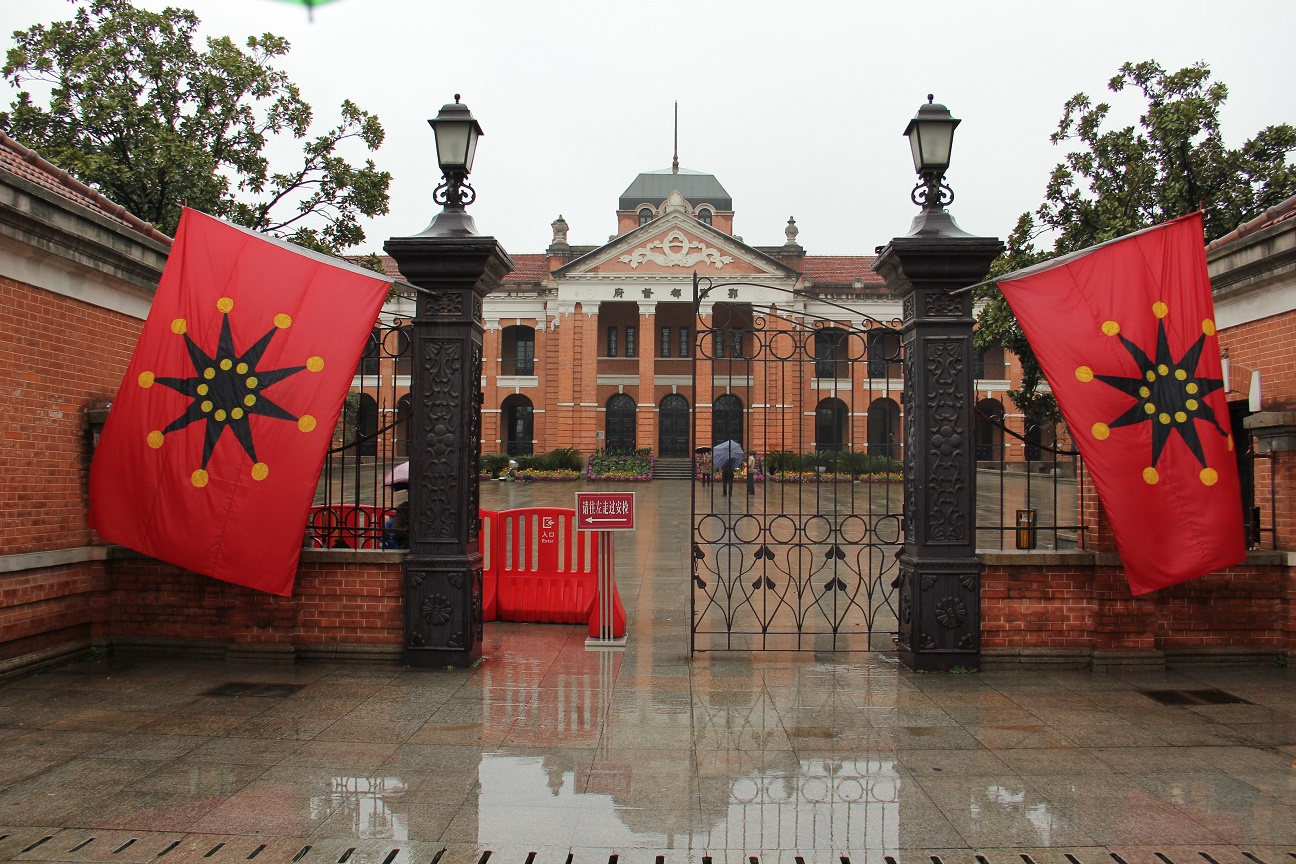
Wuhan museum

Today’s it’s a museum, but in 1911, this is where the Republic of China started.

The museum is one of Wuhan’s major historic sites and does a good, if sometimes red-colored, job of detailing the players in the revolution and the events that led to led to the fall of Qing control in Wuhan. In addition to the exhibits, many of the offices and meeting rooms have been set up to mimic 1911 China so it’s not hard to imagine the museum as the revolutionary nerve center as the revolutionary army tried to hold off the Qing army in the months following the Wuchang uprising.

It’s not the only good history museum in Wuhan, either. Jordyn and I also visited the Hubei Provincial Museum, which features and excellent collection of Chu civilization artifacts dating back far beyond the unification of China in the 2nd century B.C., as well as a collection featuring what may be the world’s largest instrument: a bell set found mostly intact in the tomb of a Warring States-era nobleman.

Rising from the Ashes like a … Yellow Crane

If Wuhan is famous for any site, though, it’s the Yellow Crane Tower. Perched on Snake Hill near the confluence of Wuhan’s three original cities and the Yangtze, you can get a nearly 360-degree view of Wuhan on a clear day. We got that clear day, too.
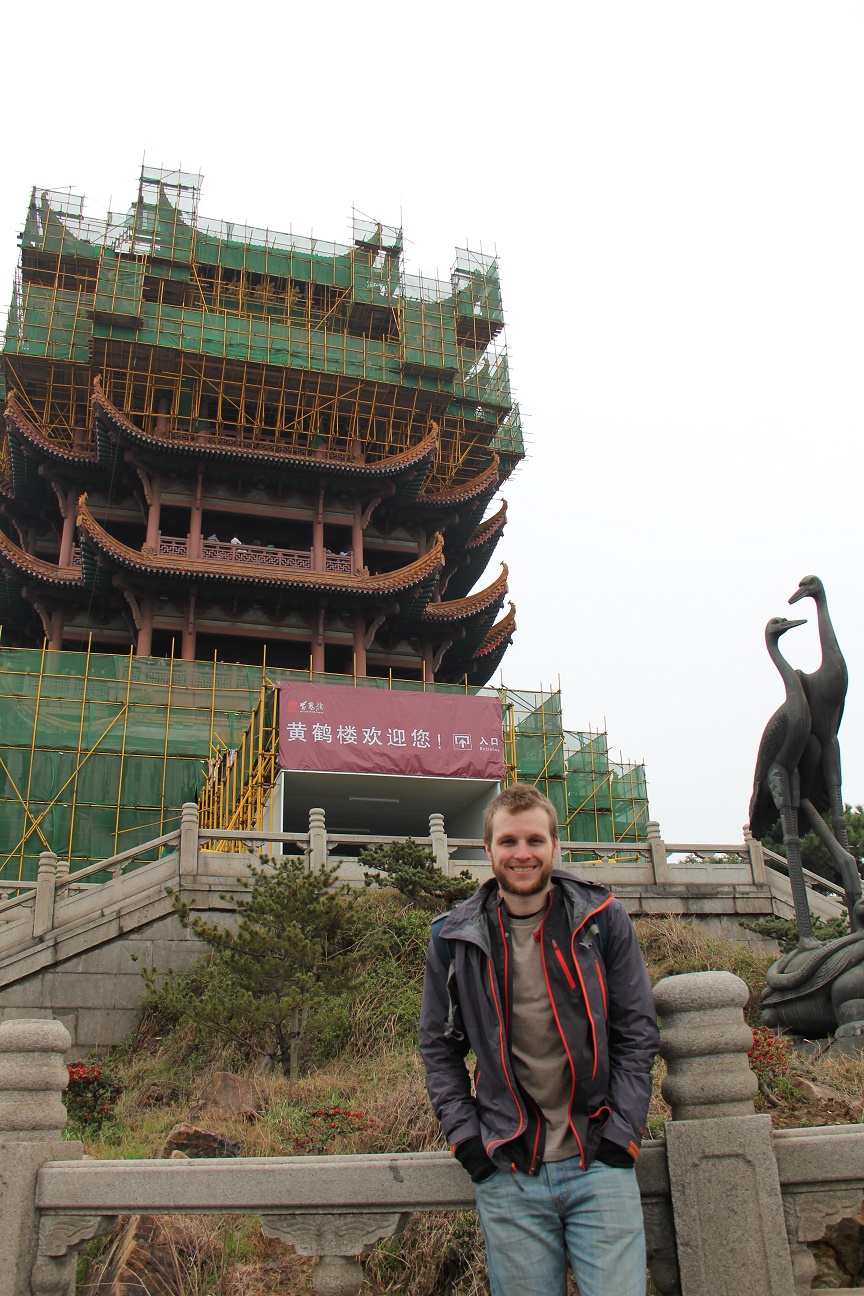
Yellow Crane Tower

The Yellow Crane Tower was up for renovations but I’m happy China is at least consistent: Everything is always up for renovation.

According to a legend detailed at the site, Yellow Crane was tasked with stopping the floods that frequently swept through Wuhan causing reaping souls and destruction. He got help from the gods of Snake and Turtle, who formed their two namesake hills in Wuhan, one on each side of the river, directing the Yangtze along its course and helping staunch the floods. I’ve read that there are a few other legends about the yellow crane, but one way or the other, the tower was made famous by an 8th-century poem written by one of the Tang Dynasty’s most famous poets, Cui Hao.

The park that wends across the top of Snake Hill is lovely in its own right, shaded by trees lanky and thick and lined by plum blossoms in the spring, but Yellow Crane Tower is the main attraction. The tower as it currently stands is a modern construction, build of concrete in 1985. But the original tower, located about a kilometer away, was first built in 223 A.D. during the Han Dynasty. Over the centuries, the tower was destroyed by fires and warfare more than a dozen times, the last one in 1884. Inside the tower is a small exhibition of models showing how the tower’s architecture changed with the times from the squat-and-square Han construction to the modern-day swooping eaves. It is considered one of China’s four great towers.

Jordyn and I were sad to see that the tower was under renovation as we summited Snake Hill but it wasn’t a big surprise, as it seems like China itself is under something of a permanent renovation. And anyway, the real reward in climbing the tower steps is the gray high rise apartments vanishing into the distant clouds on the periphery of vision; the yellow-tiled courtyard that fans out below; the rail-and-road bridge swooping over the coal barges and cross-river ferries churning through the turgid, brown waters of the lower Yangtze; the lights of Wuhan’s business district and former foreign concession just beginning to glow upriver; and turtle hill, crowned by a neon-flashing TV-tower pinnacle, swelling over the horizon across the water.
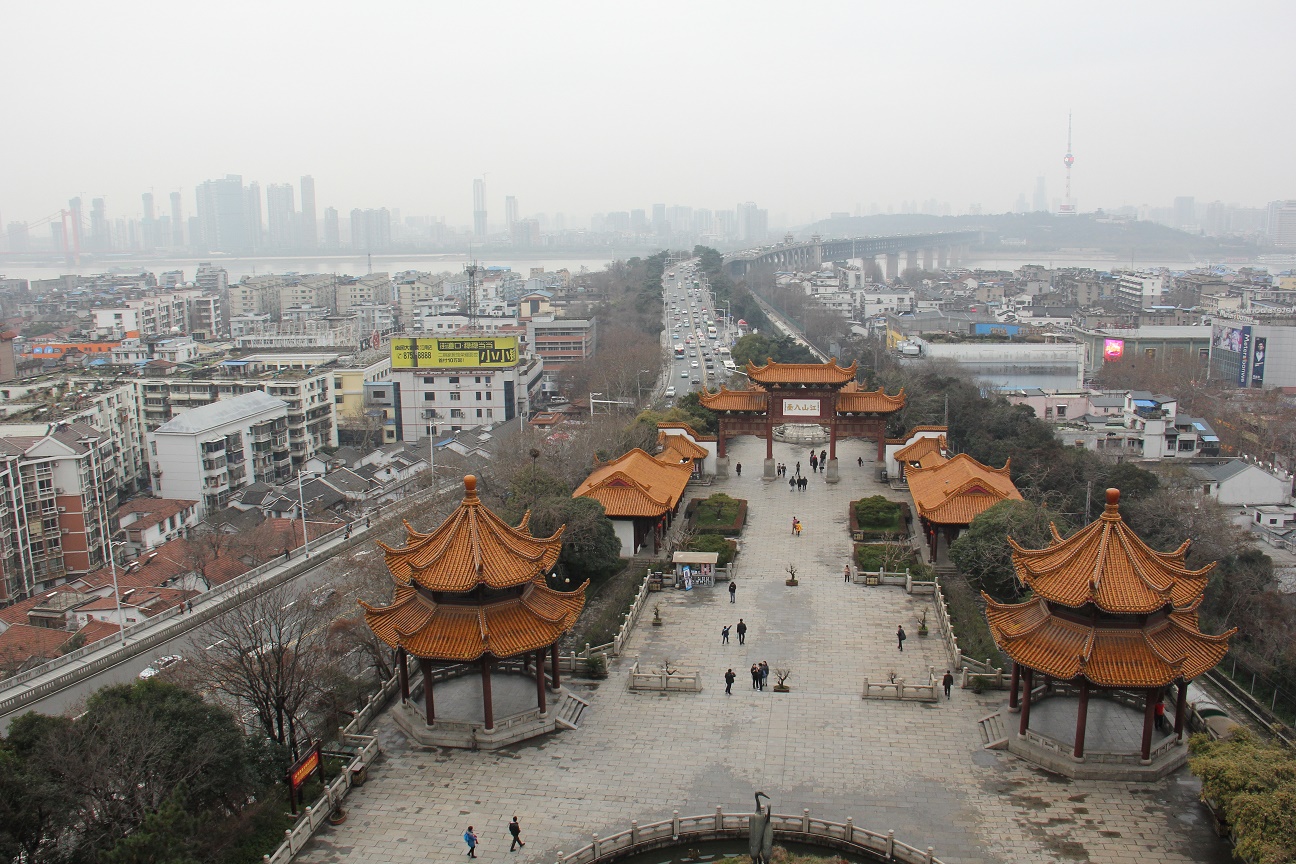
Wuhan from Yellow Crane Tower

Wuhan spreads out underneath Yellow Crane Tower’s eaves and Turtle Hill swells up across the Yangtze.

Vegetarian Food: Made with Real Hotdogs

When we were finished with museums and towers and walking, Wuhan has its own style of food that spills out into the alleyways from dawn until far after dusk. Unlike Sichuan’s pepper-loaded, mouth-numbing approach to eats, Wuhan is subdued.

It’s most famous breakfast dish is hot and dry noodles, which are pretty much exactly what their name implies: hot noodles strained of water and topped with a salty, bitter fermented bean curd sauce that makes the noodle texture so dry they’re almost hard to swallow. I picked up a paper bowl of them one rainy morning in Hubu Alley, the cities most famous snack street. One line of the cobblestone road is lined with restaurants and fruit juice stalls, the other with stand after steamy stand of Hubei snack hawkers. They specialize in snacks ranging from hot and dry noodles to frog on a stick. They’ve got bowls of sauteed snails you’ve got to suck out of their shells. They’ve got boiled then oiled crayfish. They’ve got deep-fried bananas and sauteed potatoes and something like an egg, rice, and beef casserole.
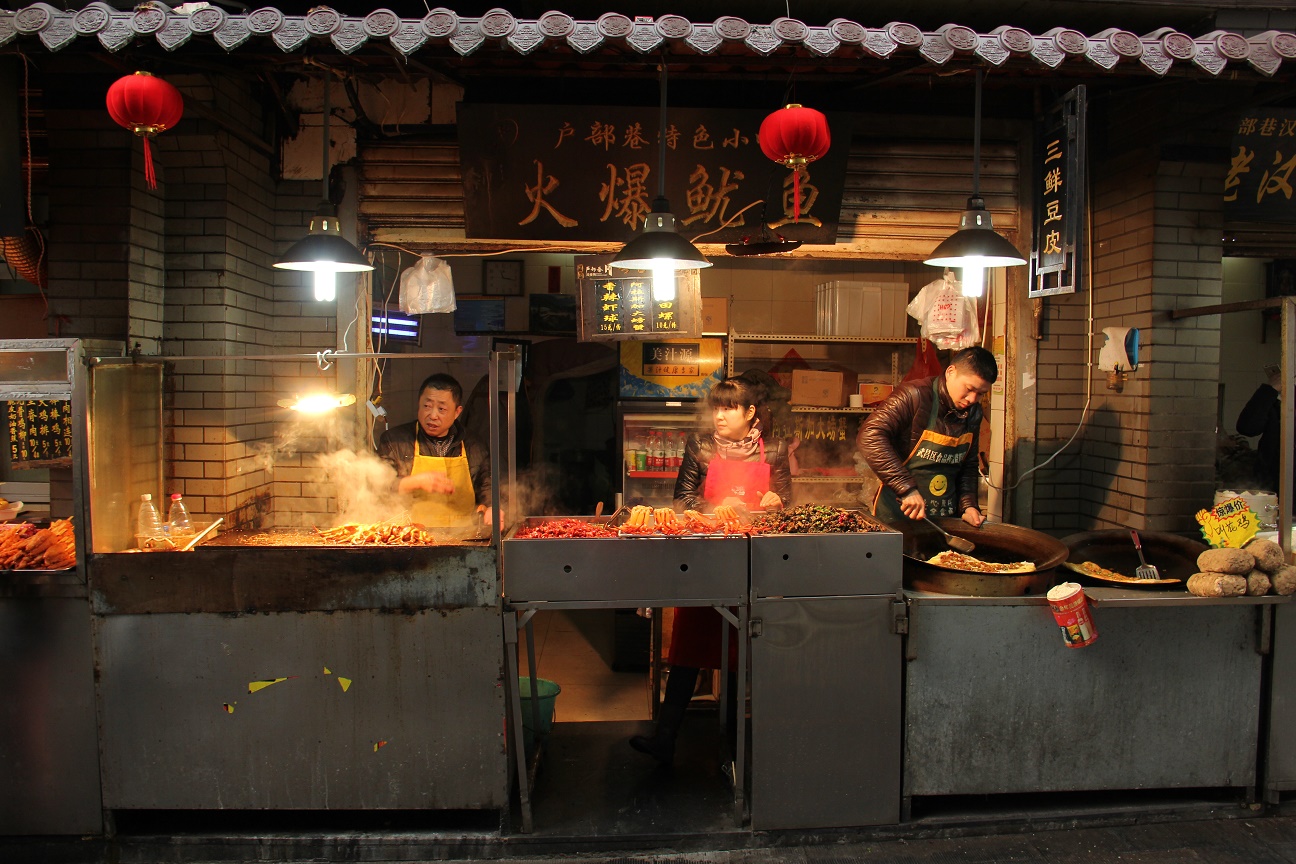
Hubu Alley

Street cart cooks keep their snacks hot at Hubu Alley.

Hubu is busiest in the mornings, but across the river the city’s other well-known street eatery gets busy after dark. In the alleyways that fan out behind the former foreign concession, a market starts to hum along with the nighttime neon. On the main drag local shoppers dig through racks of cheap clothes and underwear, tennis shoes, and phone cases, mostly. On the smaller side streets, carts roll in to keep the shoppers fed and street performers wander the rickety tables offering up a saxophone song or a mini opera performance in exchange for a wad of yuan.
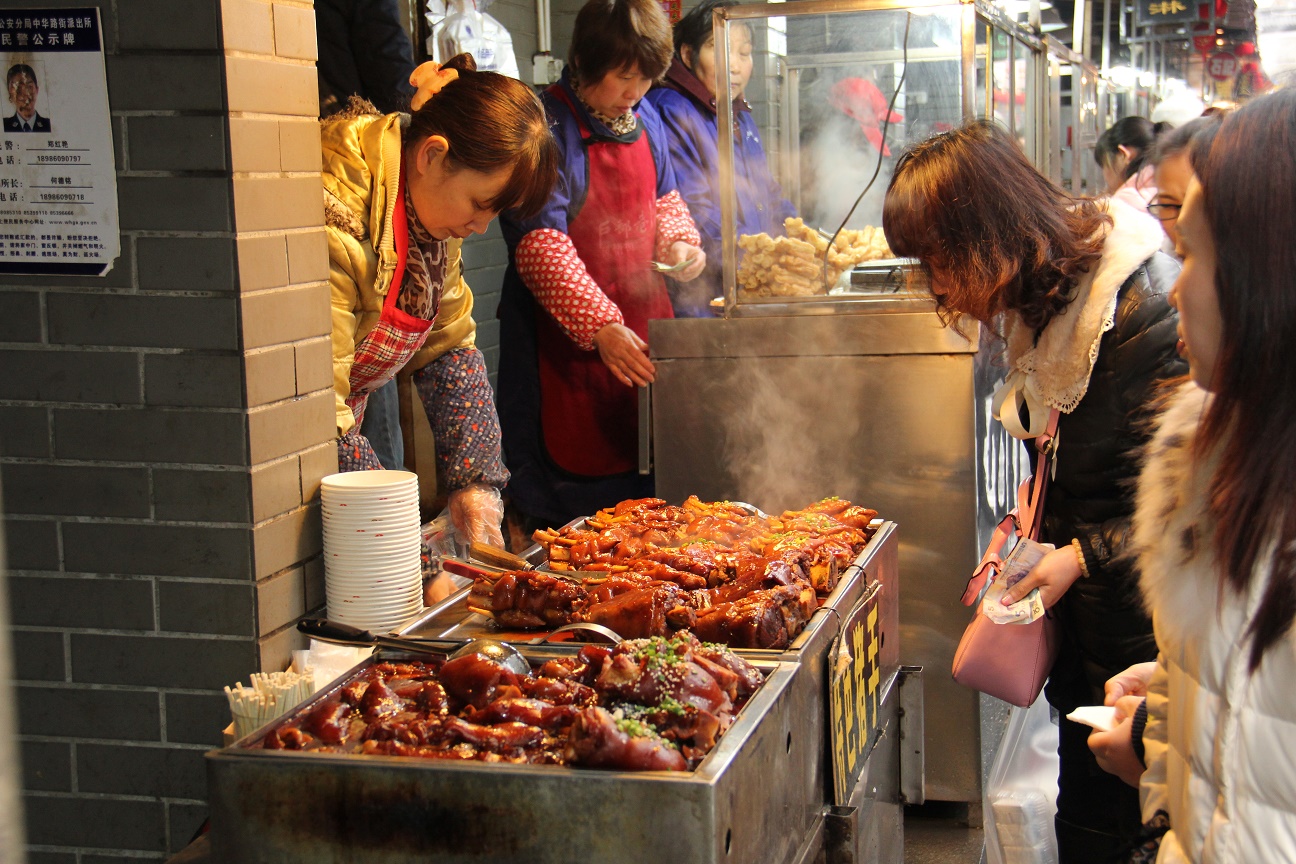
Hubu Alley Meat

Meat Chinese style: Hacked up with a cleaver, then put in a pot. Now which do we want?

A lot of the food there was similar to Hubu Alley. Barbecued frog legs or the ubiquitous skewers of lamb that can be found anywhere in China. They also add a big stands of fresh fish and crabs, dumplings, and whole varieties of noodles.

I ordered a bowl of noodles soup and asked the cook for no meat. Then I told the cook definitely no meat. Then she asked if I wanted the meat jelly, and I said no meat. She was very attentive. I got my noodles vegetarian style … with slices of Chinese hot dog.

The best food in Wuhan, however, was truly vegetarian and wasn’t found on a street.

One afternoon Jordyn and I spent an hour or so climbing the steps of Wuhan’s largest Daoist temple. Daoist temples are usually my favorite with their strange assortment of deities and often-mind-boggling cosmology. Daoist monks are often the least stuffy kind, too, happy to chat with me about their city, their temple, and why I’m visiting before trying to offer me some cosmological assistance by coercing me into bowing before their wooden gods. This temple, Changchun, was notable for its statute of Lao Tzu, the founder of Daoism who wrote the religion’s foundational text, Tao Te Ching, around the 6th century B.C.
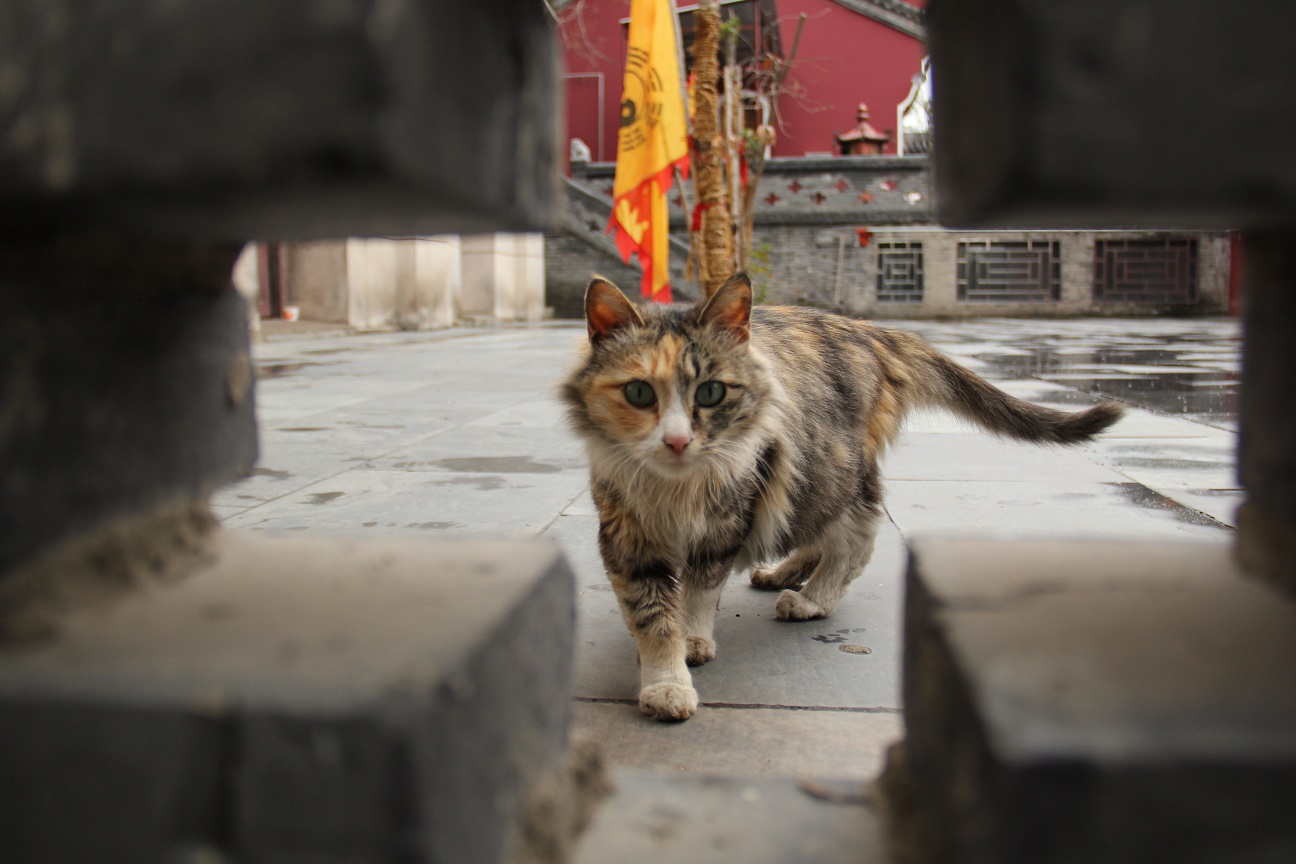
Cat in Changchun Temple

Aside from it’s more wooden deities, Changchun Temple is also home to a few fleshy cats.

Changchun also had it’s share of dimly lit, incense shrouded temple halls, lush courtyards, and friendly monks but unlike most of the temples in Beijing, it has its own vegetarian restaurant. And unlike Western vegetarian restaurants, Changchun’s doesn’t pride itself on making sure guests know they’re not eating meat but on making sure they think they might be eating meat. Aside from a few straight tofu dishes, most of Changchun’s restaurant’s offerings are meat dishes like Kung Pao Chicken, but the chicken is made by a combination of mushrooms, tofu, beans and other ingredients. It’s got the texture of meat, the taste of meat, and the look of meat, but it isn’t meat.

At least that’s what they say. But that’s what they said about my veggie noodles, too.
Shanghai the Hard Way

Spring Festival transportation luck being what it has been this trip, I guess this sort of this was inevitable, although the blame here lies squarely on my shoulders. And my bank account.

Turns out 17:10 was the arrival time in Beijing, not the departure time from Wuhan. So when Jordyn and I arrive at the Wuhan airport and start parsing the board, I start to feel real sick real fast.

Also Spring Festival being what it is, we are screwed.

I stumble and Jordyn stomps over to the China Eastern ticket counter to try — try — to sort things out.

“We missed our flight,” I say.

“Eh?” the lady says.

“We missed our flight,” I say.

“Today, no seats left,” she says.

“Eh?” I say.

TODAY … NO … SEATS … LEFT,” she says.

Rut roh.

The counter is jammed with people in the same jam as us. No seats left today; no seats left tomorrow. A “very small, small”  chance of standby. No first class seats left today either. Tomorrow night, a few left and they’re going fast and they’re also about 800 US dollars a ticket. The next possible economy-class flight is Monday night.

But Jordyn has class Monday and I have work and we’ve got to get back and I am a stupid, stupid man.

We sit in the airport cafeteria eating lukewarm, way-too-expensive broccoli and scramble through the internetz trying to find flights or trains or buses or cars that can get us back to Beijing in time without emptying my bank account. But it’s Spring Festival, and Spring Festival being what it is, there is nothing, really nothing, until Monday night.

Rut roh, indeed. I’m a stupid, stupid man trying to accept his 1,500-dollar fate.

The first standby chance comes and goes. No seats. One more left. We ask the ticketing ladies about flights to Tianjin. To Datong. To Chengde and Zhangjiakou and Tangshan. Nothing. There’s really nothing. We sit back down for a while so I can muse on the nature of my depthless stupidity. Jordyn keeps thinking and soon she’s got an idea.

We ask one of the ticket ladies: How about to Shanghai, then to Beijing? She types away for a few minutes and looks up surprised. They’ve got a flight tomorrow morning to Shanghai’s Pudong airport, then one from Shanghai’s Hongqiao to Beijing. Regular economy class. 400 apiece in total. Do we want it? Jordyn and I do some quick math, figure out how much we can get refunded for the first tickets.

“Yes, we want it.”

New tickets in hand, half-goodish solution in the pocket we head off into the night to find a vacant hotel room.

I still feel depthlessly stupid, but as I research how to get from Pudong to Hongqiao, I realize that we’ve got about four hours spare time and have to go right through the center of Shanghai to get there. Add one more stop to the Yangtze itinerary: We’re going to see Shanghai.

In our four hour layover, Jordyn and I turbo speed through nearly everything Lonely Planet recommends in it’s “One Day in Shanghai” section. We walk the concession-era Bund. We snap photos of space-age Pudong. We cruise Nanjing East Street where China’s first-ever department stores opened up in the 1920s. We loop around People’s Square and check out the nerve center of Shanghai. We fight the crowds at Shanghai’s busiest subway interchange before heading back to the airport.

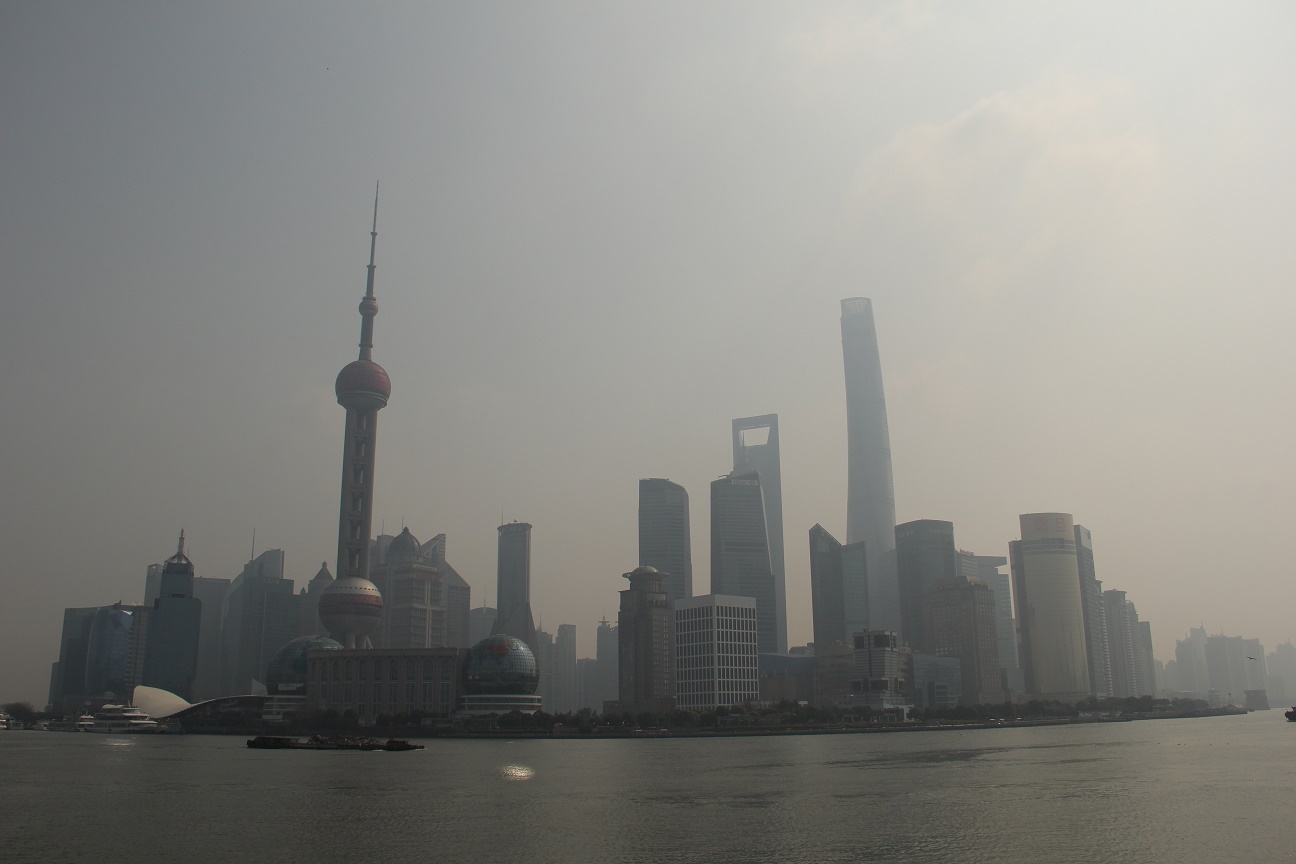
Pudong skyline

The futuristic Pudong skyline is a jarring contrast to the classical-style Bund just across the river. It’s also one of the most impressive skylines I’ve seen.

It wasn’t the cheapest way to see Shanghai. It wasn’t the most relaxing. But we saw it.

Shanghai’s got style. I like the feel of the city, the look of old(ish) mixing with new. The skyscrapers etched with Chinese characters. And the Pudong skyline really is something. But I’m also glad not to live there.

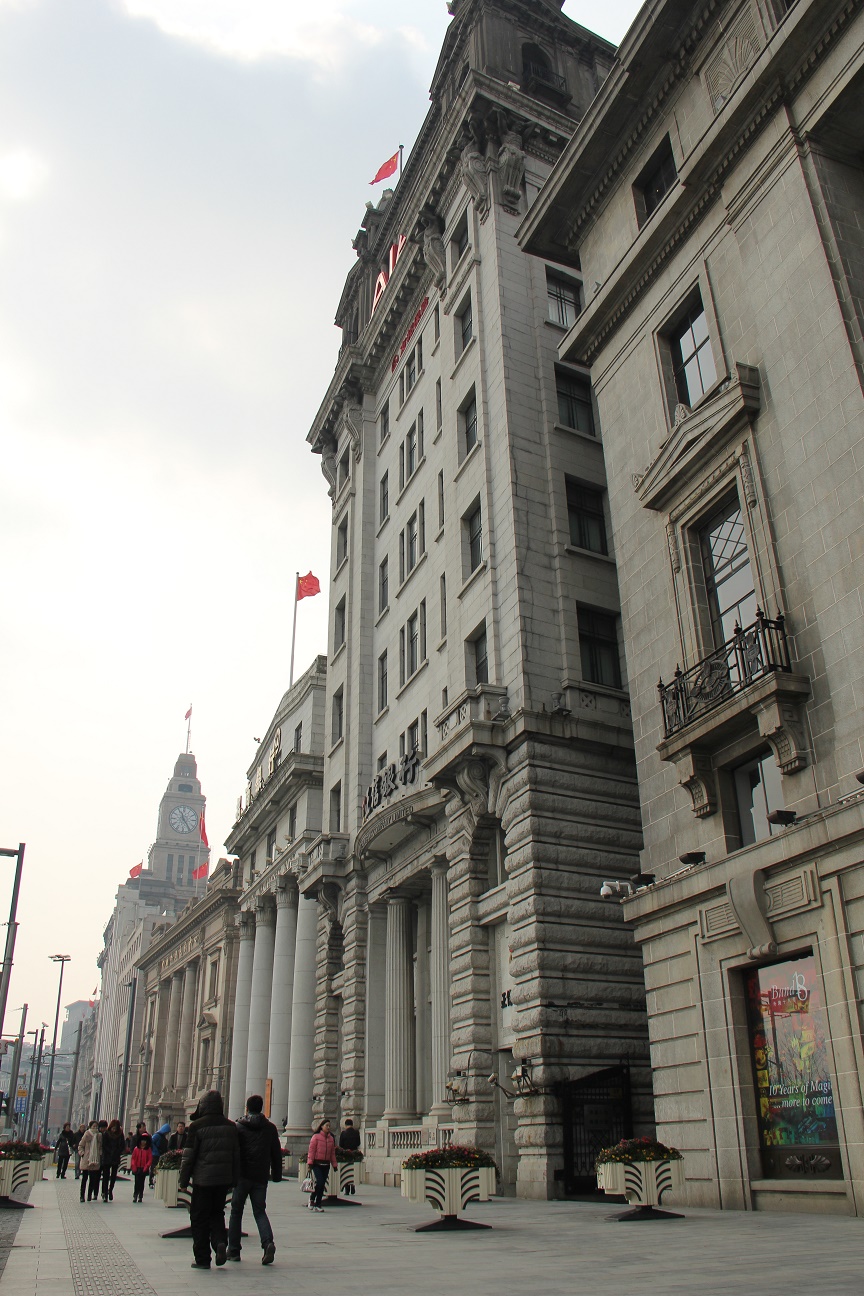
The Bund

The Bund consists of buildings built mostly by colonial powers in the early 20th century. Most of these buildings were banks or hotels.

As much as Shanghai residents insist that Shanghai is the real China, after traveling to nearly two dozen cities, towns, and villages in a smattering of different provinces north and south over the last year and a half, China’s business capital just doesn’t feel like China. Perhaps that’s part of the Chinese cliche — “China: Land of contradictions — but as much fun as it was to see China’s most populous city, aside from the neon character signs, I felt like I could’ve been in any large American city or even Hong Kong, just with less frenetic energy and with less “world city” characteristics. Hong Kong without the hustle, if you will.

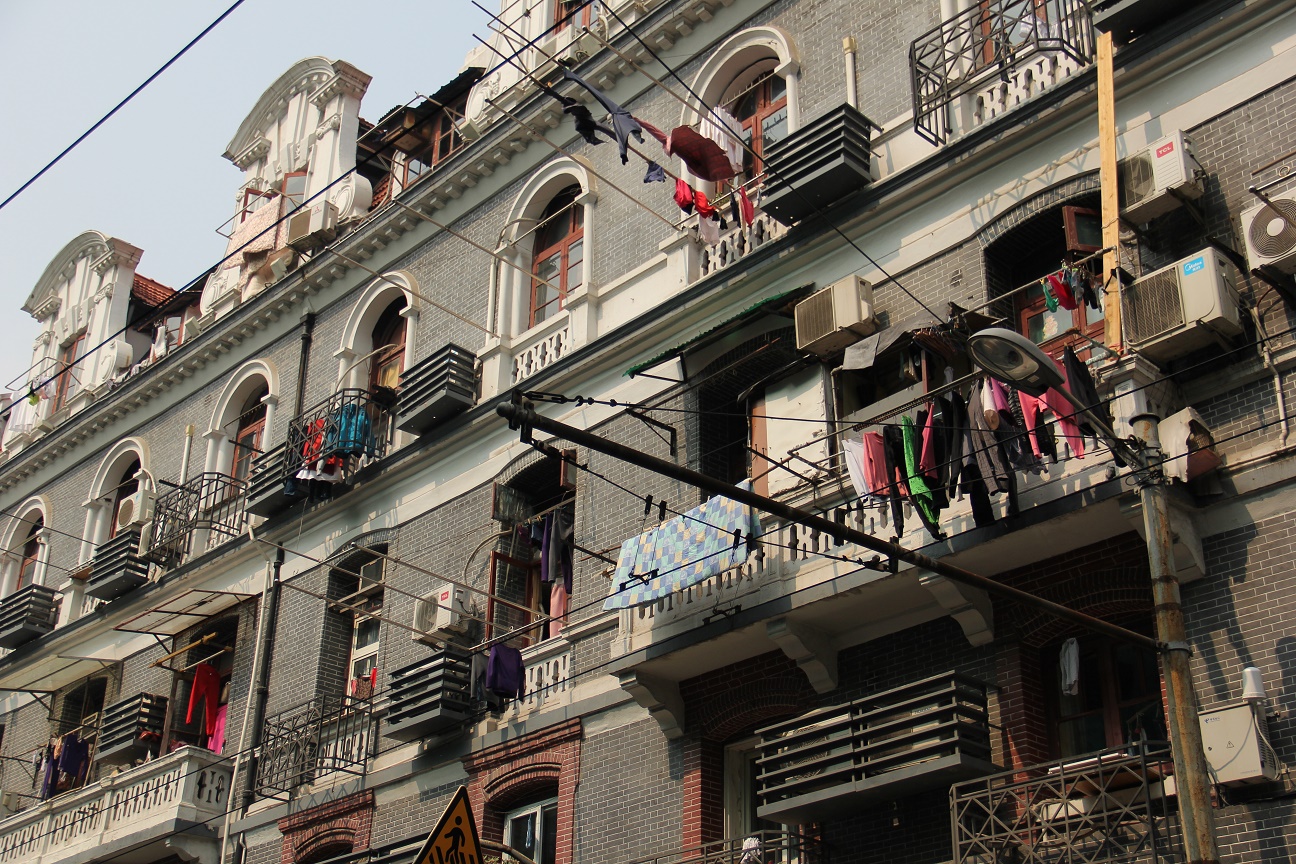
Windows in Shanghai

Ok, fine. This feels like China. Residential windows line the top stories of Shanghai’s famous shopping street.

Granted, I was only there for four hours so my first impression might be meaningless, but downtown Shanghai had none of the street food smells, old people playing games, put-putting tricycles carrying mountains of junk, or other little charms that have come to define Chinese city life to me. Impressive? Yes. The China I came looking for and that I love? No.

Either way, I needed to see it, and now I have. The real 500-dollar question is: Was it worth 500 bucks?

I’ll keep telling myself it was.

Police Troubles in Fengjie

As we start to stuff ourselves and our bags into the back of the police cruiser, I hear the murmurs punctuated by waiguoren and jingcha ripple through the crowd strolling along Fengjie’s raucous nighttime sidewalk.

“Look – foreigners with the police.” “Americans?” “What did they do?”

To hide my growing embarrassment, I stare at the officers gesturing us into the tiny, 80s-era Santana to avoid making eye contact with the revelers who have stopped to speculate about what’s going on. Foreigners seem to be a rare enough sight in the streets of this river waypoint nestled just above the Yangtze’s famed three gorges; foreigners and police together are something of a showstopper.

But while the crowd wonders what we’ve done, I just wonder how much the whole ordeal is going to cost.

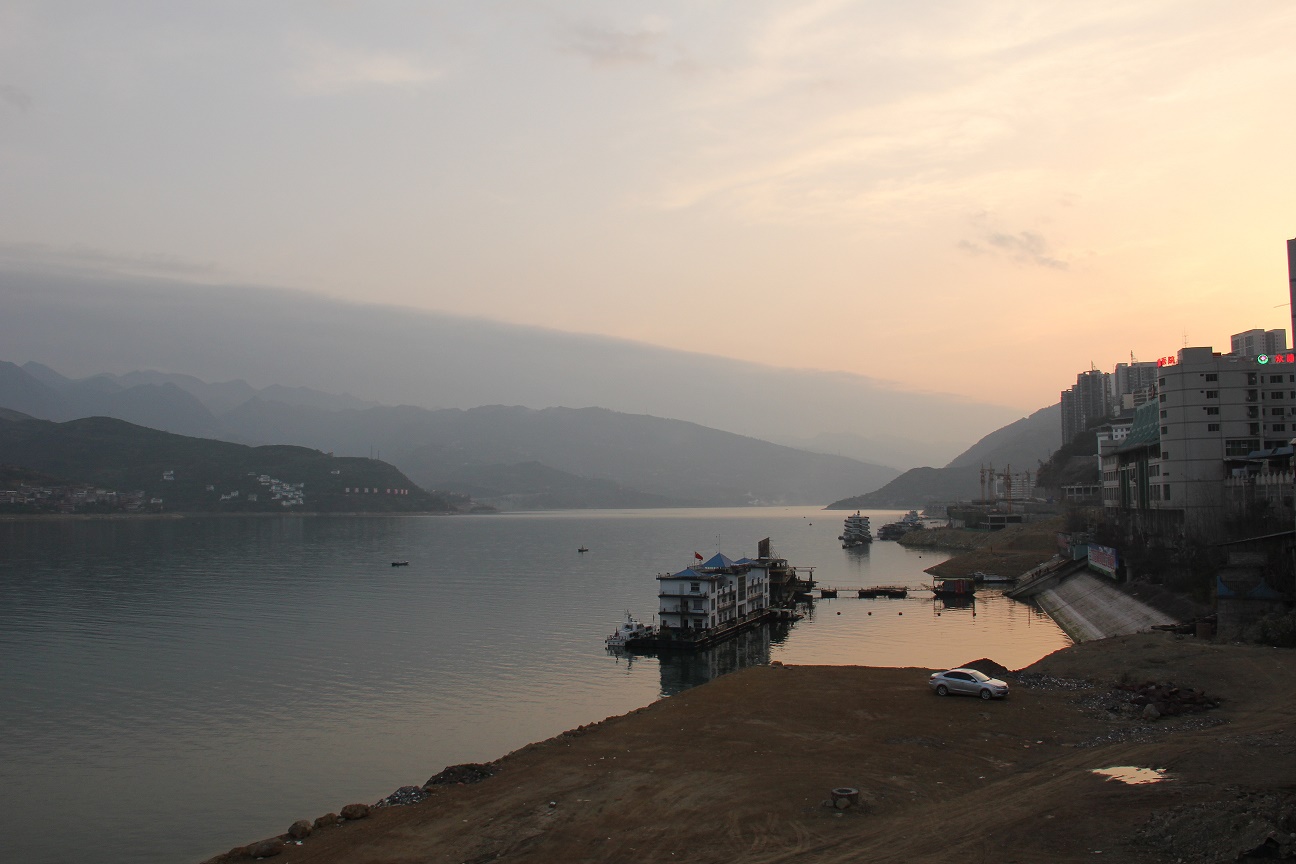
Fengjie at sunset.

Fengjie at sunset.

After spending three days in the massive Yangtze port city of Chongqing, Jordyn and I started Monday to make our way down the river, where we’ll end up at the infamous Three Gorges Dam – the world’s largest construction project, recently completed a few years ago – before heading to Wuhan and then back to Beijing. We’d mulled taking a domestic cruise ship on a three or four day tourist trip from Chongqing to Yichang, just above the dam, but decided to try to save some money and have an adventure instead, taking the journey in a handful of bus and ferry journey’s from river town to river town.

The first leg of our river trip is by bus. Once you leave the station, buses are surprisingly one of the more pleasant ways to travel in China. They’ve got clean and comfortable seats and are relatively cheap and fast, especially given the spider web of expressways that’s been woven out all across the country in recent years to snare even the smallest of cities.

Buses are also a good way to get a taste of local life. On one side trip out Chongqing earlier this week, a small verbal scuffle broke when the bus driver demanded that one old woman do something about her duck. The duck, stuffed in a bag with its head and neck protruding through a hole, had started to quack while the bus sat in a traffic jam. They agreed that she could stow the duck with the luggage under the bus.

This week being the middle of Spring Festival, the bus stations have been full of ducks, chickens, and above all, people. Buses – or trains or car or boat, for that matter – are not a good way to travel during Spring Festival. This is a lesson that Jordyn and I have learned and learned and learned again every time we’ve arrived at a transportation hub to find the ticket hall stuffed like dumpling and every time we’ve waited and jostled and shoved our way to the front of the undefinable “lines” hoping to snag a ticket out before the day is up.

This morning we were lucky, getting a ticket just an hour and a half later than we’d hoped for the five hour journey from Chongqing to Fengjie.

Another advantage of bus travel is the scenery. The expressway between Chongqing and Fengjie rolls through the Sichuan mountains alongside mountain gorges and past stands of pine. In the distance, green peaks rise to dwarf the factory towns still under construction in the flatlands below. Unlike most of the other mountains we’ve seen in China, these remind me of home. Only the family grave plots, trimmed in red for the holidays, that dot the greenery on the inclines and the ubiquitous flat-fronted brick and concrete Chinese farm homes distinguish these mountains from America’s.

We arrive at a bus station on the bank of the river in Fengjie at about 6:30 and promptly start to search for the ferry terminal. Our plan was to buy an early morning speedboat ticket to Badong at the true mouth of the Gorges where we’d do a side boat trip up a smaller tributary. However, we don’t know where the terminal is, don’t have a map, and can’t make much sense of the iPhone map app’s directions. We find something on the app that looks like it might be a transportation hub and start walking that way. Of course, it’s the wrong way. After about 20 minutes of walking, something doesn’t seem right. There’s no boats anywhere, nor are there any signs for boat tickets.

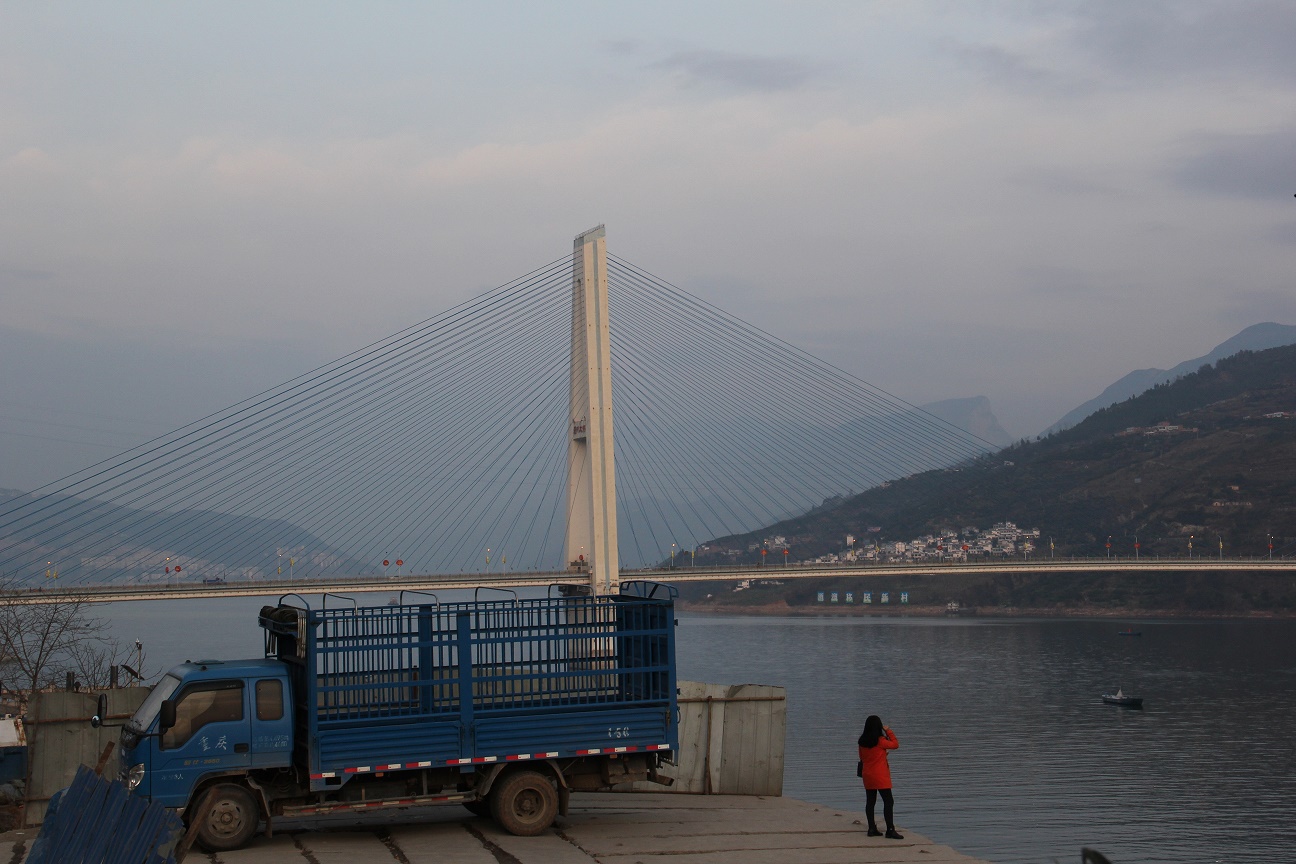
Fengjie

Just over the top of Fengjie’s bridge, the first of China’s Three Gorges rises in the distance. But there’s no ferry port in sight.

We stop on the sidewalk and try stare at the map, trying to decide what to do. Presently a man stops and asks us where we’re trying to go. We tell him we want to buy ferry tickets, and he points up the road. He says the terminal is near the bus station. He saw us get off the bus and walk down the road and he thought we might need some help. Then a second man appears. He says something in the local dialect that I can’t understand, but I think the gist is something about how we should follow him and then we can buy the tickets. He starts walking, we follow, and the first man follows us, too, chatting with Jordyn.

I start to get a little nervous when we turn up a dark alleyway, but I can see a couple of signs ahead with the characters for “travel” and “hotel” on them and figure we’re being led to a hotel. We climb a half dozen flights of grimy steps and arrive at an apartment that’s been converted into a small hotel. Sixty yuan (10 dollars) for a bed, but we still haven’t figured out how to buy our boat tickets and I want to get that taken care of first so I tell the hotel keepers I want to go to the ferry ticket office. We go back and forth – “I’ll take you there tomorrow”, “I want to go now”, “Do you want the room; it’s very cheap,” “I want to go to the ferry ticket office”, “I’ll take you there, but how about the room”, and so on – until we finally walk out.

The first man is still following us, and I’m still not sure why. He follows us back down the stairs. I expect him to try to take us to another hotel or restaurant or some such hustle, but instead he takes us across the street to a gas station, gabs with a minibus driver and tells us to get on the bus.

“We’ll go the boat ticket office,” he says. “Get on.” He pays the 5 yuan total for the three of us. When I try to argue he chirps a high-pitched laugh and says, “Come on, it’s so little money!”

The ferry office is dark when we arrive, all the windows empty. We search around trying to make sense of the signs and prices and times. It seems to me that the ferry for Badong leaves every morning, but our new friend makes a couple of phone calls to double check. The news is grim: No boats to Badong he says.

Another man, this one wearing a checkered scarf and a baseball hat, hustles in. He and our friend – Mr. Qu, we later learn – practically shout at each other. The local accent is hard enough for me to follow as is, and these fellows speak fast so I’ve got no idea what’s going on. They agree on something, tell me, and I still don’t know. I try to clarify. I still can’t understand. I try again. I still can’t understand. Finally, I think I piece it together: A bus leaves from somewhere in town sometime before 8 a.m. to go to Wushan, just down the river. From there we can catch a ferry to Badong, if we’re on it before 9:30. The scarf-hat man is heading that way, too. At least that’s what I think I understand as scarf-hat man runs off.

Once back outside, Mr. Qu tells us not to worry, scarf-hat man’s information is good. Then, Mr. Qu makes the catholic cross sign across his chest.

“He’s a good Christian,” he says and makes the sign of the cross again and chirps his laugh and then folds his hands like he’s praying. “A good Christian, you know.”

By now Mr. Qu has been helping us for nearly an hour but he tells us he’ll take us to see the bus station, then help us find a hotel. He makes a couple of calls to check on hotels and we catch a bus to another bus station just down the road. Here’s where we can buy tickets tomorrow morning, he says, then we duck into a noodle shop.

The noodle shop specializes in mala xiao mian – numb spicy small noodles. We order a few bowls, plus some tea eggs, and slurp them up – everyone is surprised that I eat them with real spice – while answering a barrage of questions from locals who poke their heads in. Where are we from? What do we do? Oh you study at Qinghua? How much does it cost? Everyone is happy to hear that Xi DaDa is helping foreigners study in China, too.

We snap a couple of pictures with Mr. Qu, then the bad news comes: His friend at the police station says we can’t stay in a small hotel. It’s illegal, he says, so we’ve got to find a hotel that accepts foreigners. No problem, Mr. Qu, says, and we flag down a cab to head up the hill.

Fengjie ladders up the hills, crumbling residential complexes giving way to neon-lit shopping streets. Below, the Yangtze spreads outs, reflecting the twilight-shrouded mountains on both sides. Barges rumble away toward their eventual berth in Shanghai. Spring Festival activities are in full tilt, too. Fireworks dot the night, and the hillls are lit as if by fireflies as lanterns lift on the breeze into the mountain mists. The crowds walk the plazas, picking up street snacks and shooting off firecrackers. We step out onto the main strip and hustle after Mr. Qu to two, then three then four different hotels. All of them are full but one, and that one is charging more than 100 U.S. dollars per night.

No problem, no problem, Mr. Qu says. He’s got an idea.

As we walk, Mr. Qu tells us how he used to work making bullets for the army. He tells us about Fengjie’s famous liquor. How his son goes to school in Chengdu and how he likes it better there; the climate is nicer, less humid. He tells us he’s been to Beijing twice, the last time 10 years ago and there were too many people, but that he has a French friend whom he also helped out in Fengjie and whom also lives in the Haidian District in Beijing.

In between conversation bits, he tells us not to worry about the hotel. He’s got an idea.

Finally we round a crowded street corner and he announces: “We’ve arrived!”

Indeed we have. At the local police station. He marches through the doors where five handsome, blue-and-fur clad officers wait in behind the desk killing time through a bored evening.

Mr. Qu starts gesticulating wildly. I have a hard time following the conversation, but as best I can keep up, he tells them that we’ve been to all the hotels and none of them have a single room! What can we do? How about the small hotels?

“She goes to Tsinghua!” he adds. “Tsinghua!”

No, no, no, a stern looking officer replies. The foreigners must register. No small hotels.

“We can help,” the officer says.

All five officers scurry to surround the computer. They chatter as the officer behind the keyboard pulls up the hotel registration list. Fingers jab at the spreadsheet; heads shake in the air. Every few minutes a exclamation of “ah” accompanies a particularly emphatic finger jab, then one of the officers picks up the phone. After a short conversation, the phone clicks back down and heads shake some more. Arguments break out, then the search begins anew.

This goes on for ten or fifteen minutes, all five officers working almost feverishly while Mr. Qu looks on with a wry look, I-told-you-so look on his face. We sit on the metal benches backpacks still strapped up.

By now, even the officers look about ready to give up. Two of them drift away, but the computer guy keeps plugging away. He makes another phone call, and his voice starts to rise in excitement. He hangs up the phone and exchanges a flurry of words with his compatriots and with Mr. Qu. Two of the officers – one of them the stern officer — walk out from behind the desk.

“Come with us,” the stern man says. “We’ll deliver you to the hotel.”

As we walk out of the station, the murmurs start and they only get louder as we jam ourselves into the Santana. It’s a relief when Mr. Qu climbs into the back with us and shouts the door.

The police flip on the lights and we head off up the hill and I start biting my nails. Just how much is this room going to cost?

We arrive a couple minutes later, but the police escort doesn’t end there, nor do the excited murmurs about foreigners and police. “Hello Americans!” children shout in the building lobby. They ignore the police.

The Chinese boys in blue walk us to the elevator and the children follow. They step into with us and shut the door in the children’s’ faces. We arrive at a hotel desk on the 19th floor. The reception ladies know exactly who we are.

Two hundred yuan, one night, the desk lady says. I breathe a sigh of relief.

Mr. Qu asks if the price is alright, then glances at the police, lifts his hands, smiles and adds, “It’s alright. There’s no other solution!” I nod vigorously and hand over the cash.

One officer eyes the desk, while the other eyes a crowd of drunk Chinese guests who stumble out of the elevator. She hands back our passports and a room key. The police walk us down the hallway, and when we open the door to our room, everyone crowds in behind us to give the room an appraising look. In Fengjie, “room service” has a unique meaning.

Despite the charred and gunk-splotched carpet, satisfied enough, we nod. Satisfied, Mr. Qu nods. Satisfied, the police nod. Then, they each flash a smile and bid us goodnight. Despite our protestations, Mr. Qu says he’ll meet us in the lobby in the morning to take us to the bus station.

As the elevator arrives, the stern officer turns one last time and fixes us with an appraising eye.

“Stay safe,” he says, and turns on his heel.

Outside our window, Spring Festival lanterns rise into the night.